Chemistry 10 Virtual Laboratories
Explore Core Chemistry Through Interactive Virtual Experiments
This Steam To Teach Grade 10 Chemistry Virtual Labs package delivers an engaging and interactive learning experience aligned with international curriculum standards. Students explore essential chemistry concepts through hands-on virtual experiments covering metal reactivity, displacement reactions, extraction of metals, alloys, electrolysis, hydrocarbons, fuels, plastics, energy changes, fermentation, rust prevention, and fertilizer preparation.
The package also includes investigations into gas volume relationships, conductivity, petroleum distillation, cracking, and chemical formula determination. Designed to strengthen scientific inquiry, analytical thinking, and laboratory skills, these virtual labs provide a safe, cost-effective, and accessible environment for practical learning while helping schools enhance student engagement and understanding of core chemistry principles.
Available Virtual Labs
Explore our comprehensive collection of Grade 10 Chemistry laboratory simulations
Chemistry Laboratories
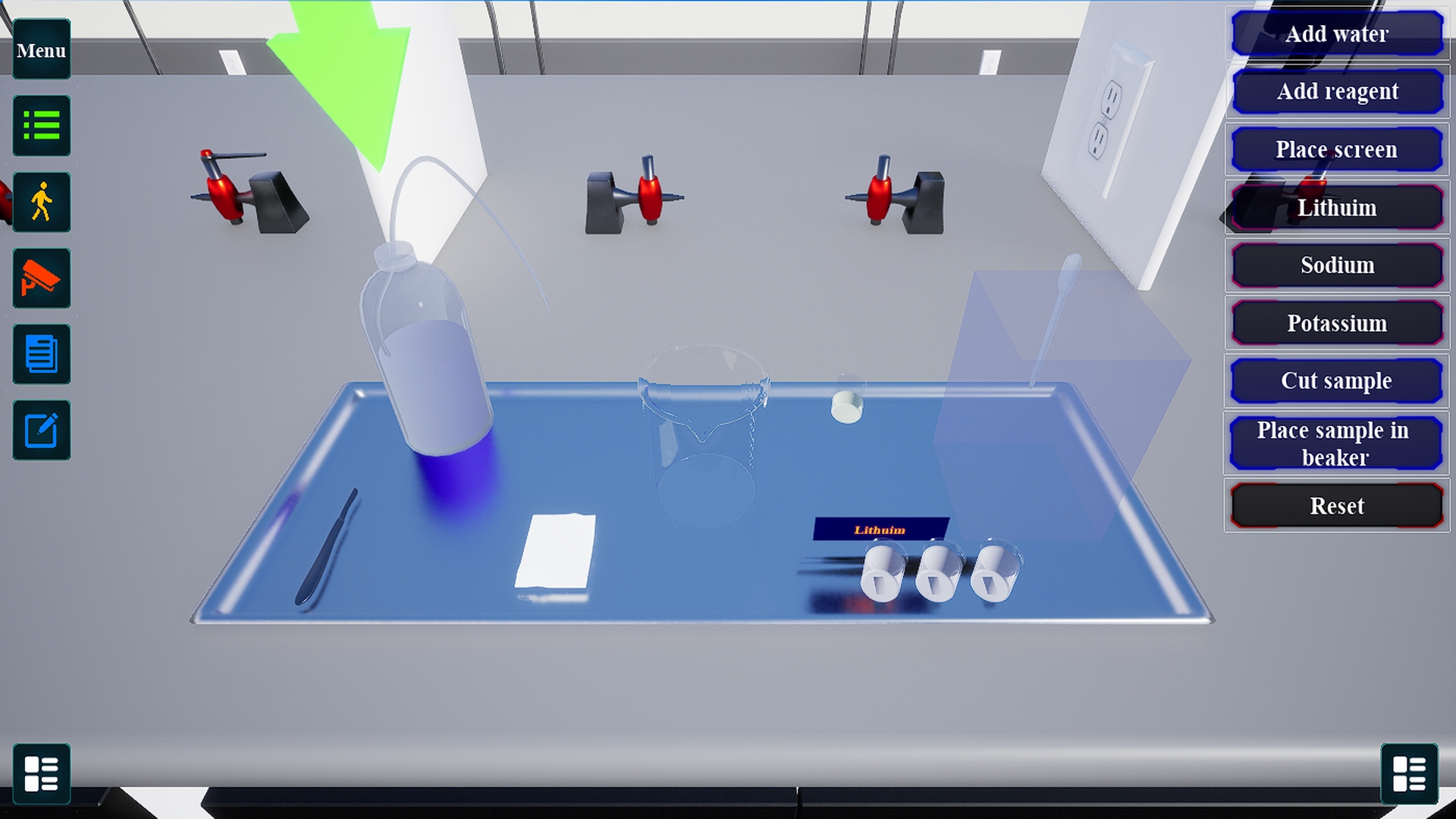
Alkali Metals Reaction with Water
Observe how alkali metals react with water and compare the vigor of the reactions.
30-45 minutesIron Wool Reaction with Water Vapor
Investigate the reaction of iron wool with water vapor and identify the products formed.
30-45 minutesDetermining Activity Series of Some Metals
Determine the relative reactivity of metals by observing their reactions and displacement behavior.
30-45 minutesDisplacement (Substitution) Reactions of Metals
Explore how more reactive metals displace less reactive metals from their compounds.
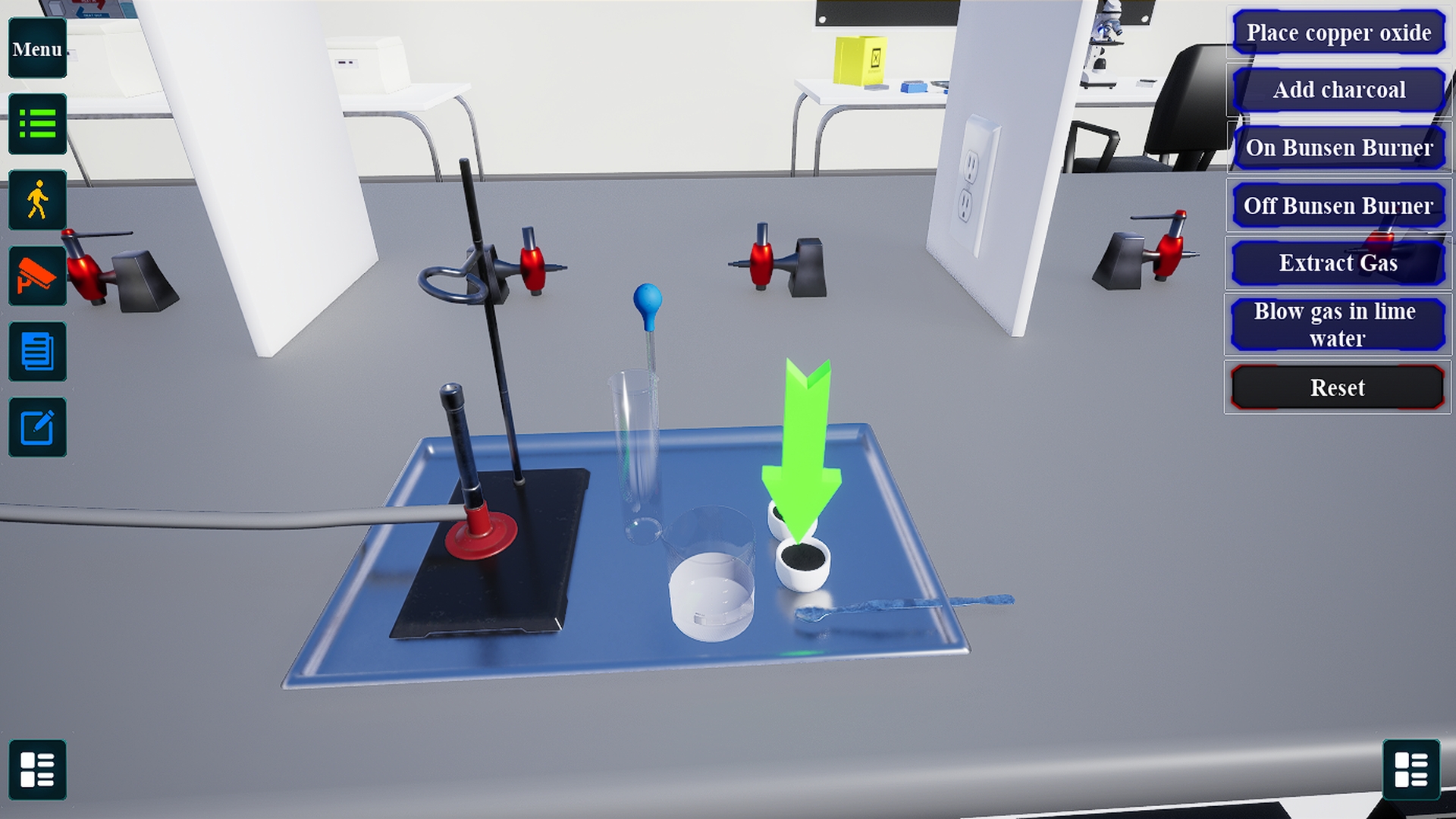
30-45 minutesExtracting Metal from Oxide Using Carbon
Study the reduction of metal oxides by carbon to extract metals from their ores.
30-45 minutesInteresting Alloys
Investigate alloys and compare how their properties differ from pure metals.
30-45 minutesRelationship Between Reacting Substance Masses and Resulting Substance
Examine how the masses of reactants relate to the mass of the product formed.
30-45 minutesRelationship Between Reacting Substance Mass and Gas Volume
Explore the relationship between the mass of a reactant and the volume of gas produced.
30-45 minutesRust Prevention
Investigate methods used to prevent rusting and protect iron from corrosion.
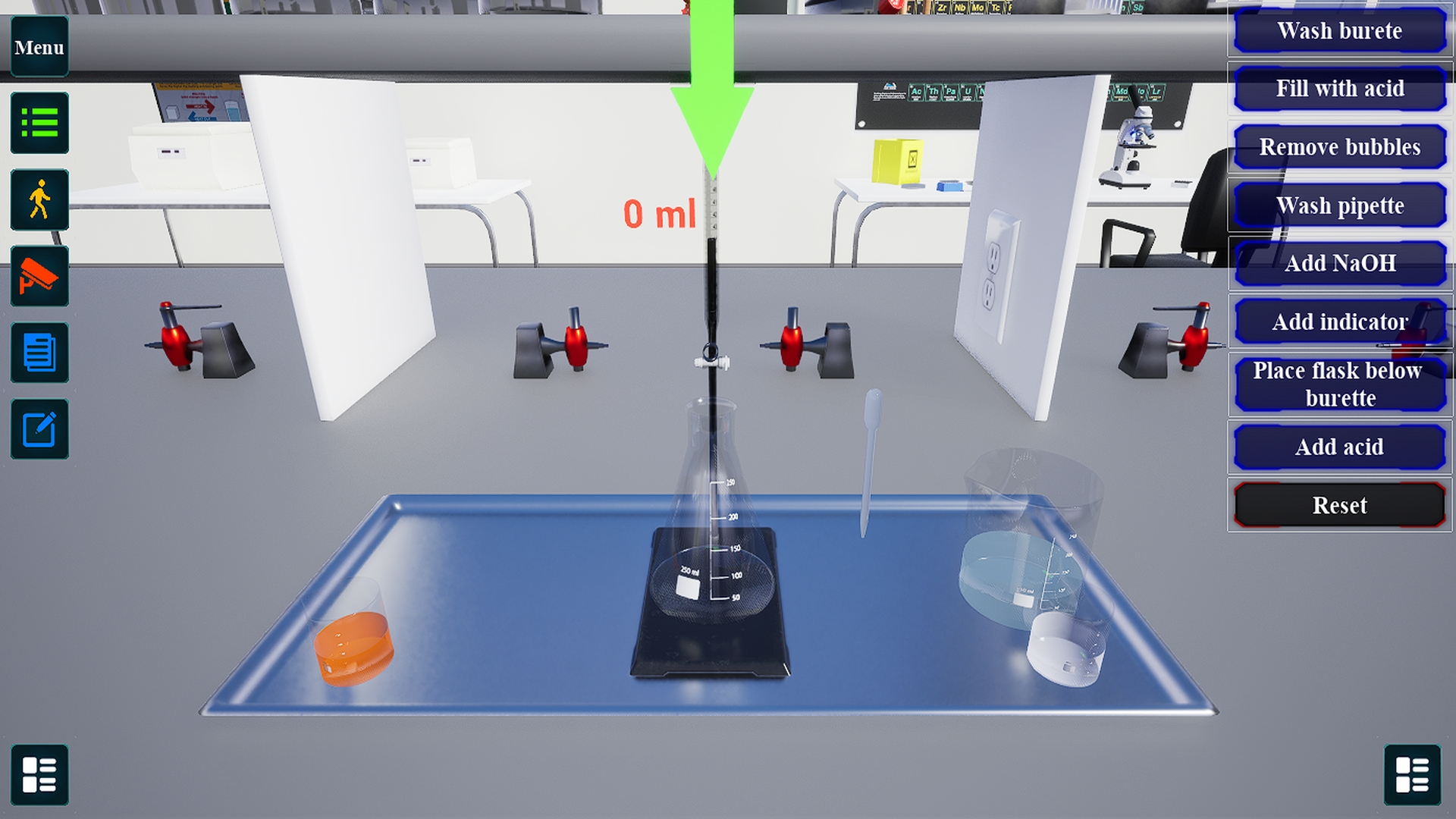
30-45 minutesDetermining Concentration of Hydrochloric Acid Solution
Use titration and analysis to determine the concentration of hydrochloric acid solution.
30-45 minutesFinding Molecular Formula for Components of Magnesium Oxide
Determine the chemical formula of magnesium oxide through experimental investigation.
30-45 minutesTesting for Unsaturated Hydrocarbons
Identify unsaturated hydrocarbons using characteristic chemical tests.
30-45 minutesFractional Distillation of Petroleum
Separate petroleum into fractions and study their different boiling ranges and uses.
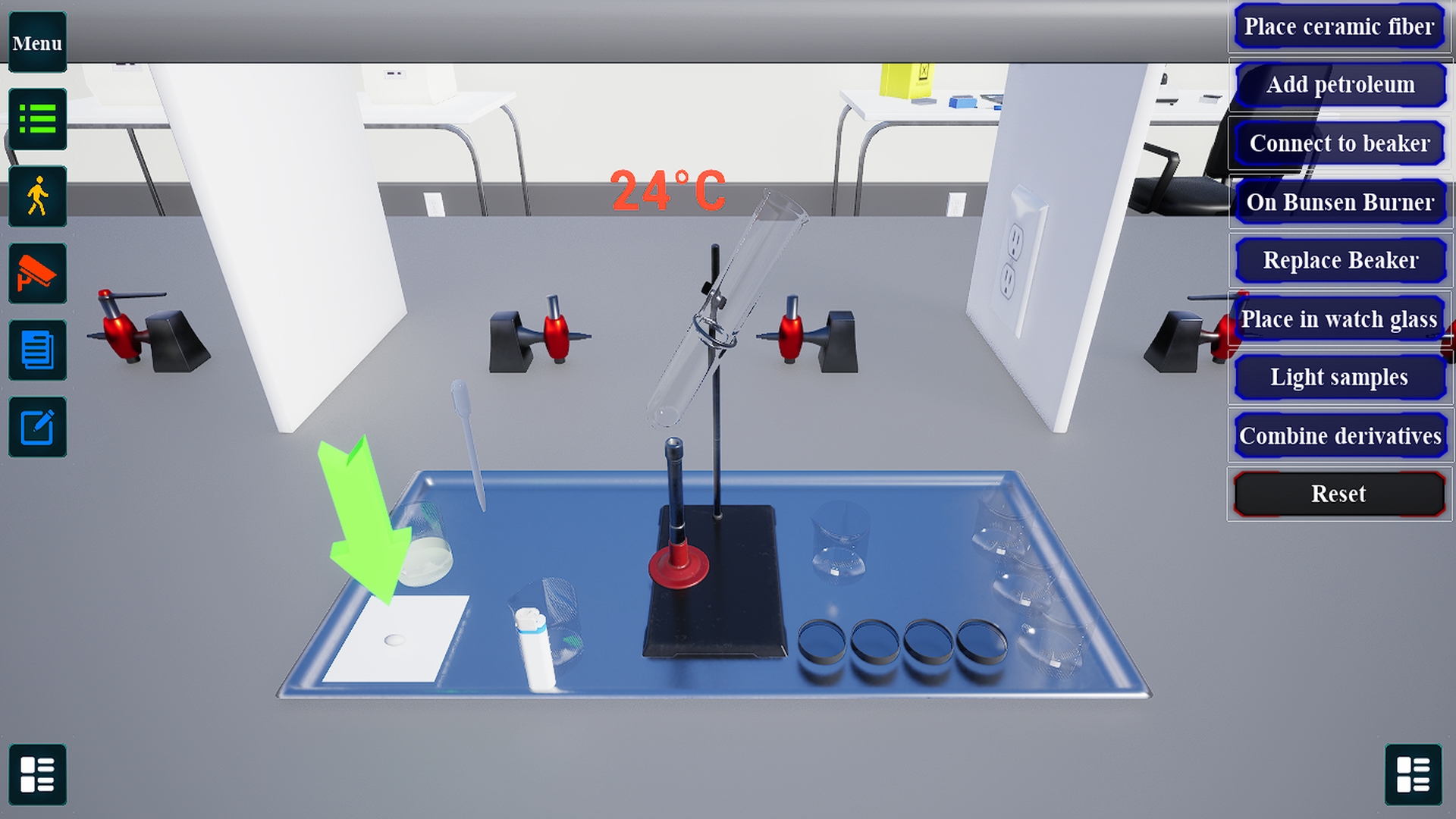
30-45 minutesThermal Cracking of Hydrocarbons
Investigate how large hydrocarbon molecules are broken down into smaller, more useful molecules.
30-45 minutesDisplacement Reactions of Halogens
Observe the relative reactivity of halogens through displacement reactions.
30-45 minutesElectrolysis of Zinc Chloride Molten (Enrichment)
Explore molten electrolysis and the products formed at each electrode.
30-45 minutesElectrical Conductivity of Liquid Materials and Aqueous Solutions
Compare conductivity in different liquids and aqueous solutions to classify electrolytes.
30-45 minutesElectrolysis of Concentrated Sodium Chloride Solution (Enrichment)
Examine the products of brine electrolysis and the changes occurring during the process.
30-45 minutesElectrolysis of Concentrated Sodium Chloride Solution in U-Shaped Tube
Perform electrolysis in a U-shaped tube and observe the formation of products at both electrodes.
30-45 minutesElectrolysis of Copper Sulfate (II) Solution
Investigate the electrolysis of copper sulfate solution and identify the electrode products.
30-45 minutesGlucose Fermentation
Explore the fermentation of glucose and the conditions required for this biological process.
30-45 minutesComparison of Fuels
Compare different fuels and evaluate their energy output and practical applications.
30-45 minutesComparison of Different Plastics (Enrichment) – 1
Investigate the properties of different plastics and compare their behavior in testing situations.
30-45 minutesComparison of Different Plastics (Enrichment) – 2
Continue exploring the properties and classification of plastics through practical comparison.
30-45 minutesMeasuring Energy Changes
Measure energy changes in chemical processes using experimental data and analysis.
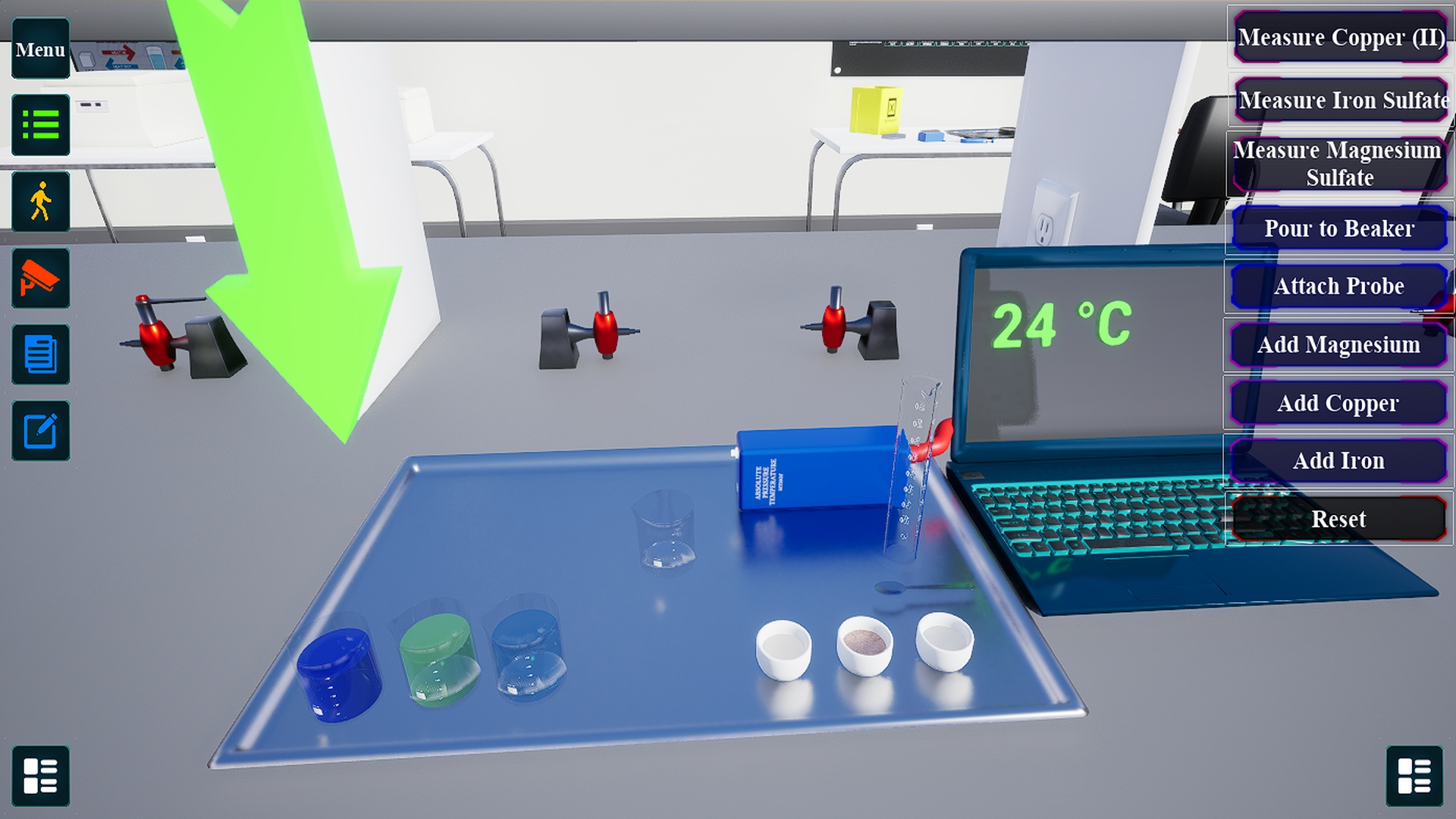
30-45 minutesMeasurement of Energy Changes for a Displacement Reaction
Determine the energy change associated with a displacement reaction through observation and calculation.
30-45 minutesRedox Reaction Involving Copper (II) Sulfate
Study oxidation-reduction reactions involving copper (II) sulfate and related metal interactions.
30-45 minutesThe Objective is to Prepare Ammonium Sulfate Fertilizer
Synthesize ammonium sulfate fertilizer and understand the chemistry behind its preparation.
30-45 minutes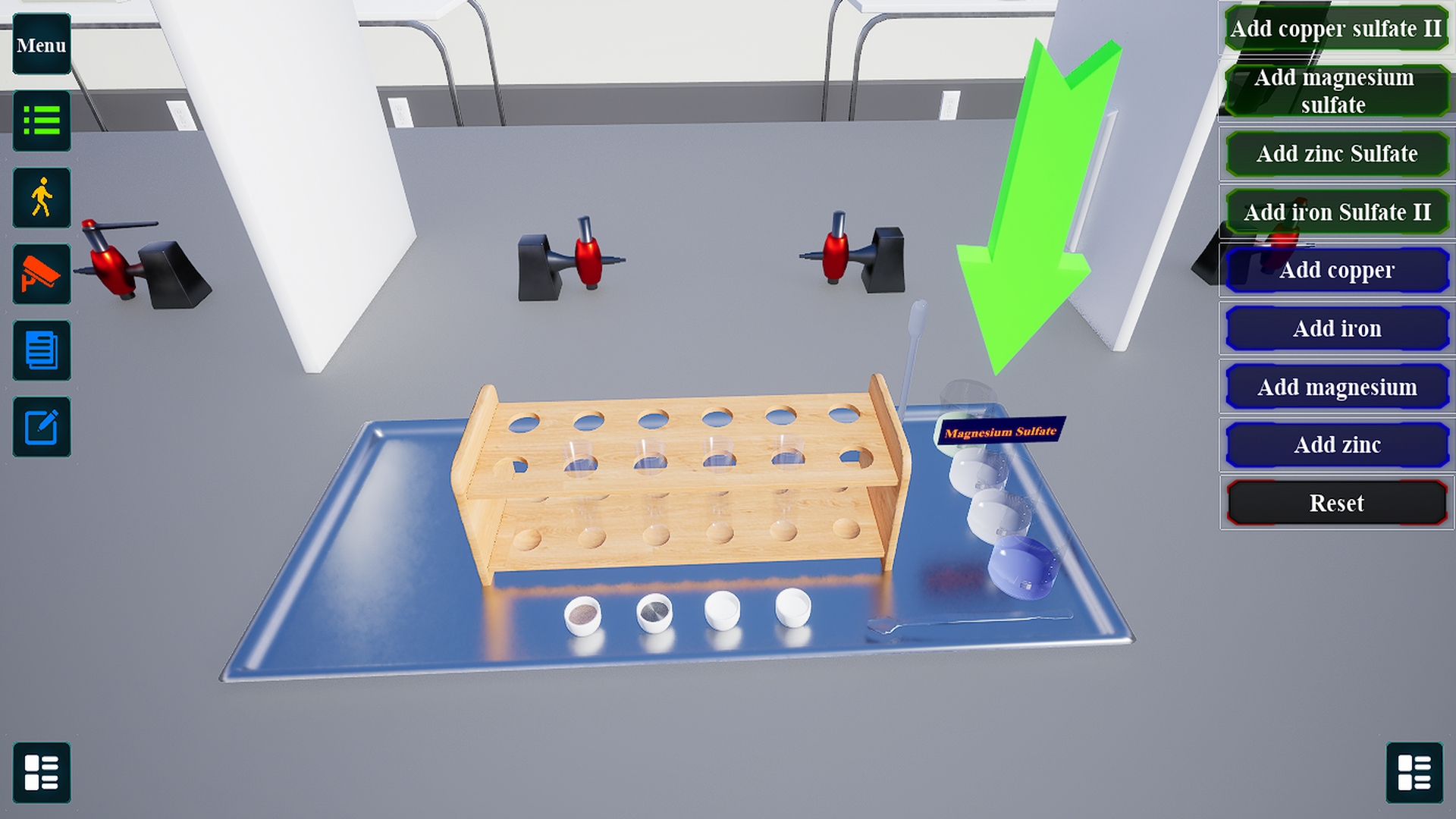
Interactive Learning
Students engage with realistic lab equipment and procedures
Real-time Data
Collect and analyze data just like in a physical laboratory
Unlimited Flexibility
Change variables to replicate scenarios that are impossible in a physical lab