Chemistry 102 Virtual Laboratories
Experience Science Like Never Before
Our virtual laboratories provide students with immersive, hands-on science experiences without the limitations of physical lab spaces. Access cutting-edge experiments and simulations 24/7 from any device.
Each virtual lab is designed by experienced educators and scientists to align with curriculum standards while providing interactive learning opportunities that engage students in authentic scientific inquiry.
Available Virtual Labs
Explore our comprehensive collection of STEM laboratory simulations
Chemistry Laboratories
Empirical Formula Determination of a Compound
Use experimental data to determine the empirical formula of a compound.
30-45 minutesQuantitative Analysis of Water in Hydrated Compounds
Measure water content in hydrated salts using heating and weighing techniques.
30-45 minutesMolar Mass Determination of a Volatile Liquid
Use the Dumas method to determine molecular weight through vapor density measurements.
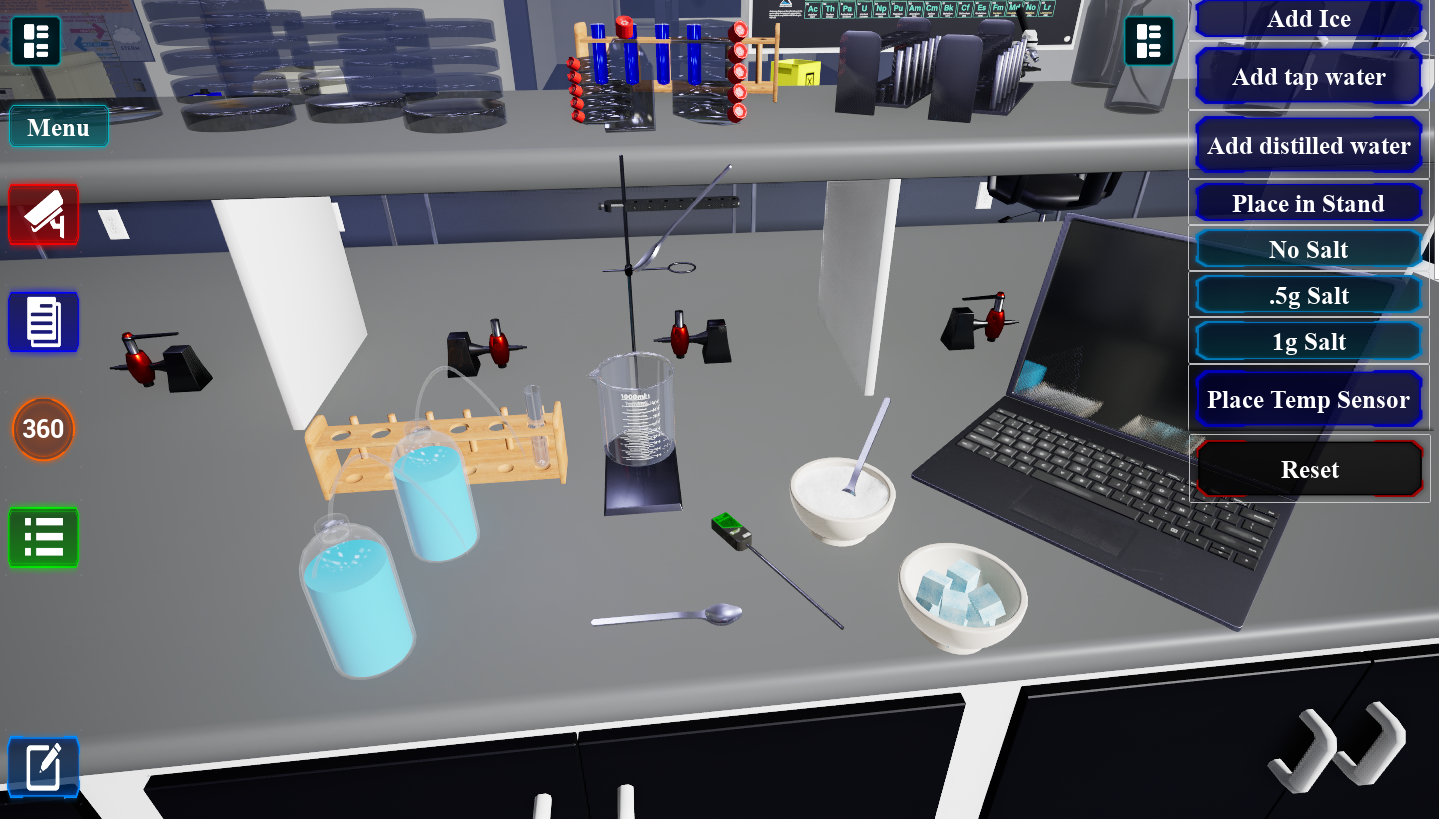
30-45 minutesMolecular Mass Determination via Freezing Point Depression
Determine molar mass by measuring how solutes lower freezing points.
30-45 minutesExperimental Determination of the Molar Volume of a Gas
Determine the volume occupied by one mole of gas at standard temperature and pressure.
30-45 minutesStandardization of Sodium Hydroxide Solutions
Prepare and standardize NaOH solution using primary standard potassium hydrogen phthalate.
30-45 minutesQuantitative Analysis by Acid–Base Titration
Determine unknown acid or base concentrations through neutralization reactions.
30-45 minutesRedox Titration of Iron(II) with Cerium(IV)
Use redox titration to determine iron concentration using cerium(IV) as titrant.
30-45 minutesStoichiometric Determination of Reaction Mole Ratios
Use stoichiometric methods to find reactant ratios in chemical equations.
30-45 minutesExperimental Determination of an Equilibrium Constant
Measure concentrations at equilibrium to calculate Kc for chemical systems.
30-45 minutesBehavior of Acid–Base Indicators
Study pH indicators and their color changes at different hydrogen ion concentrations.
30-45 minutesKinetics of Hydrogen Peroxide Decomposition
Study catalyst effects and measure reaction rates of H₂O₂ breakdown.
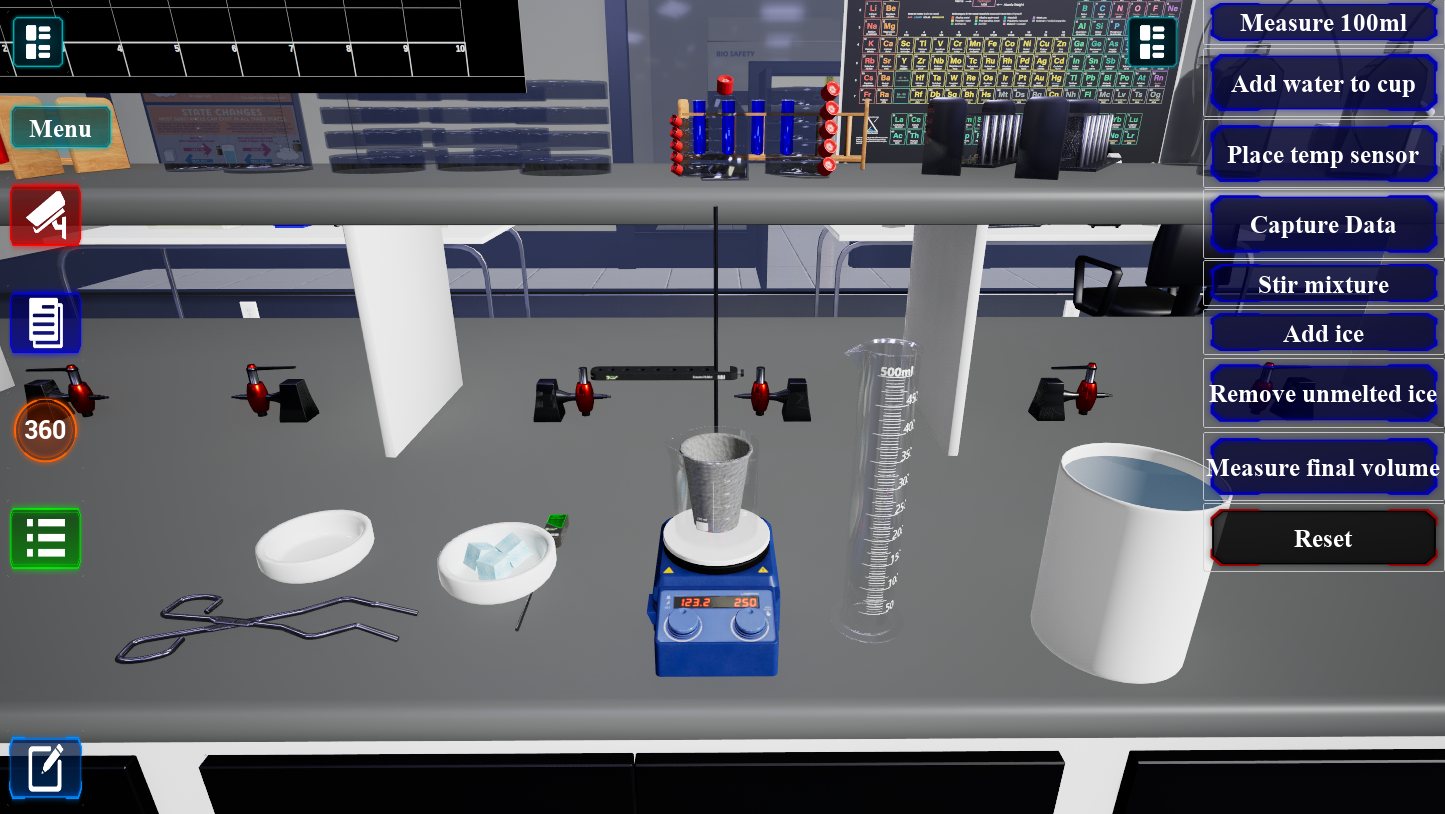
30-45 minutesCalorimetric Determination of Reaction Enthalpy
Use calorimetry to measure heat changes in chemical reactions.
30-45 minutesQualitative Identification of Metal Cations
Use selective precipitation and chemical tests to identify metal ions.
30-45 minutesQualitative Identification of Anions
Identify negative ions through characteristic chemical reactions.
30-45 minutesLaboratory Synthesis of Alum Crystals
Prepare potassium aluminum sulfate dodecahydrate from aluminum metal.
30-45 minutesAnalytical Characterization of Alum
Verify alum composition through gravimetric and other analytical techniques.
30-45 minutesConductometric Titration and Gravimetric Analysis
Combine conductivity measurements with precipitate weighing for quantitative analysis.
30-45 minutesConcentration Determination Using Spectrophotometry
Use spectrophotometry to determine unknown concentrations from absorbance measurements.
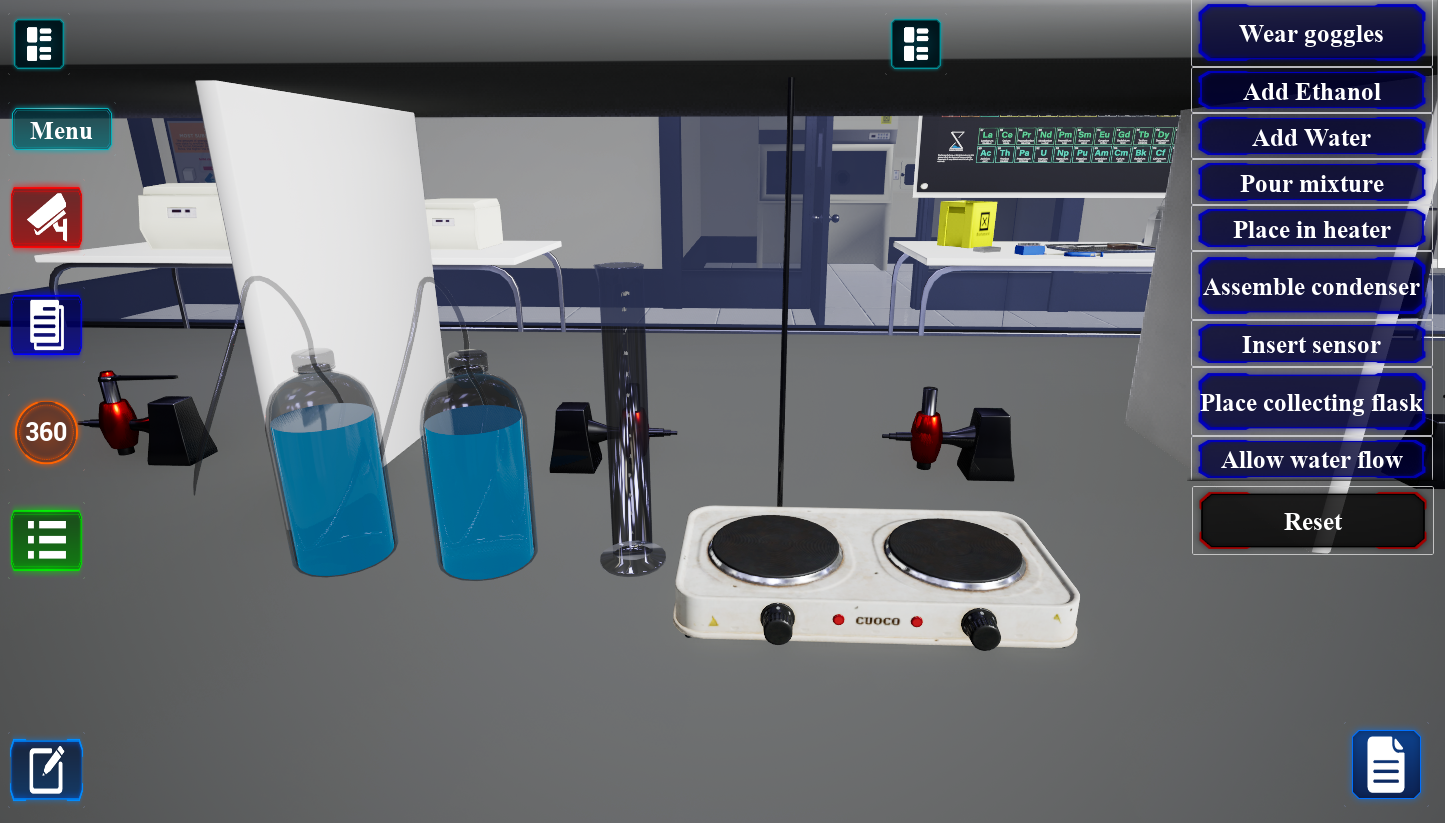
30-45 minutesSeparation Techniques in Liquid Chromatography
Separate mixture components based on differential partitioning between mobile and stationary phases.
30-45 minutesPreparation and Properties of Buffer Solutions
Prepare and test buffer solutions and measure their resistance to pH changes.
30-45 minutesElectrochemical Energy in Voltaic Cells
Construct galvanic cells and measure their voltage to study redox potentials.
30-45 minutesElectrochemical Metal Deposition
Use electrolysis to deposit metal coatings on conductive surfaces.
30-45 minutesSynthesis and Purity Analysis of Aspirin
Prepare acetylsalicylic acid and assess purity through melting point and titration.
30-45 minutesSolubility Product Determination for Calcium Hydroxide
Calculate the solubility product constant for calcium hydroxide through titration.
30-45 minutesAcid Dissociation Constant via Half‑Titration Method
Calculate acid dissociation constant at the half-equivalence point of a titration.
30-45 minutesKinetic Determination of Reaction Rate and Order
Determine reaction order and rate constant through concentration-time studies.
30-45 minutesEnthalpy of Neutralization for Phosphoric Acid
Measure heat released when phosphoric acid is neutral
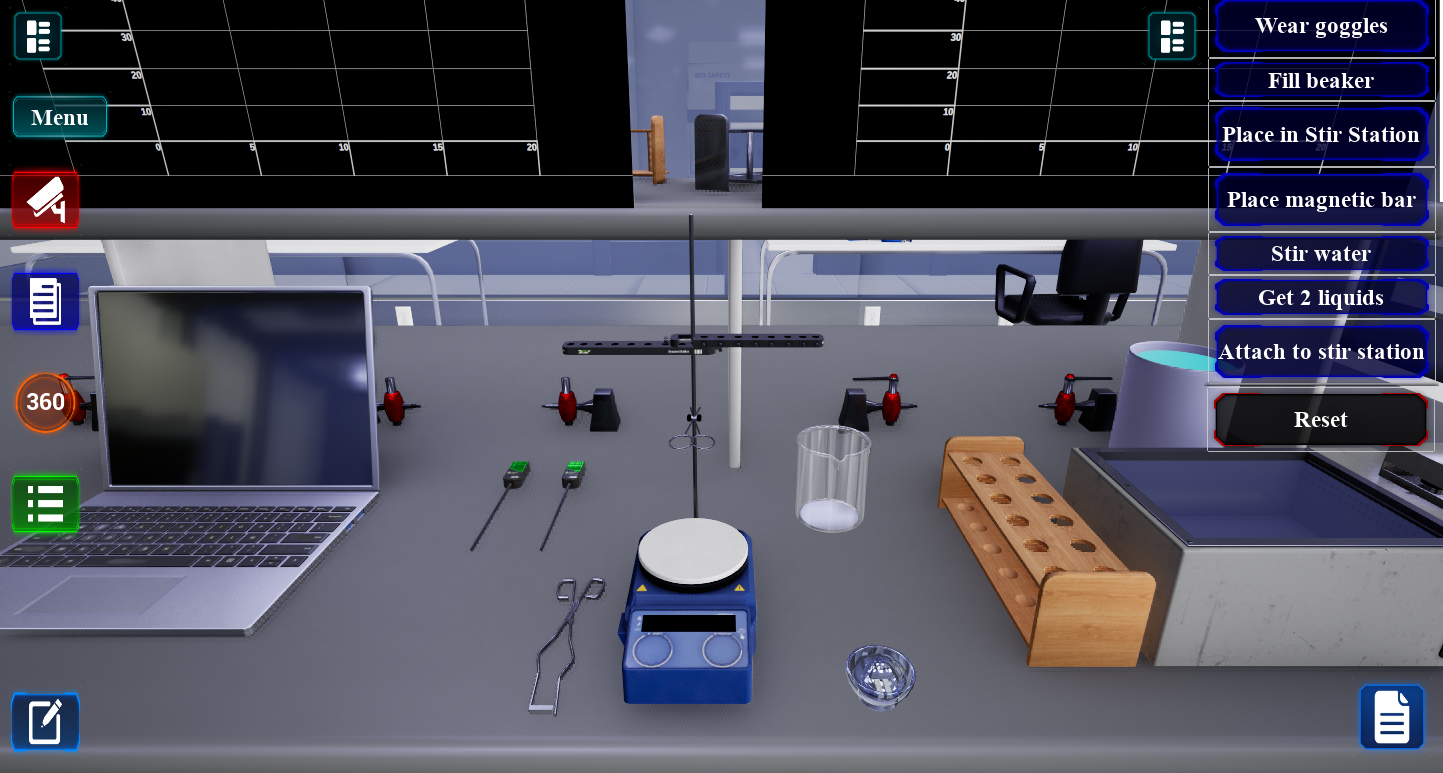
Interactive Learning
Students engage with realistic lab equipment and procedures
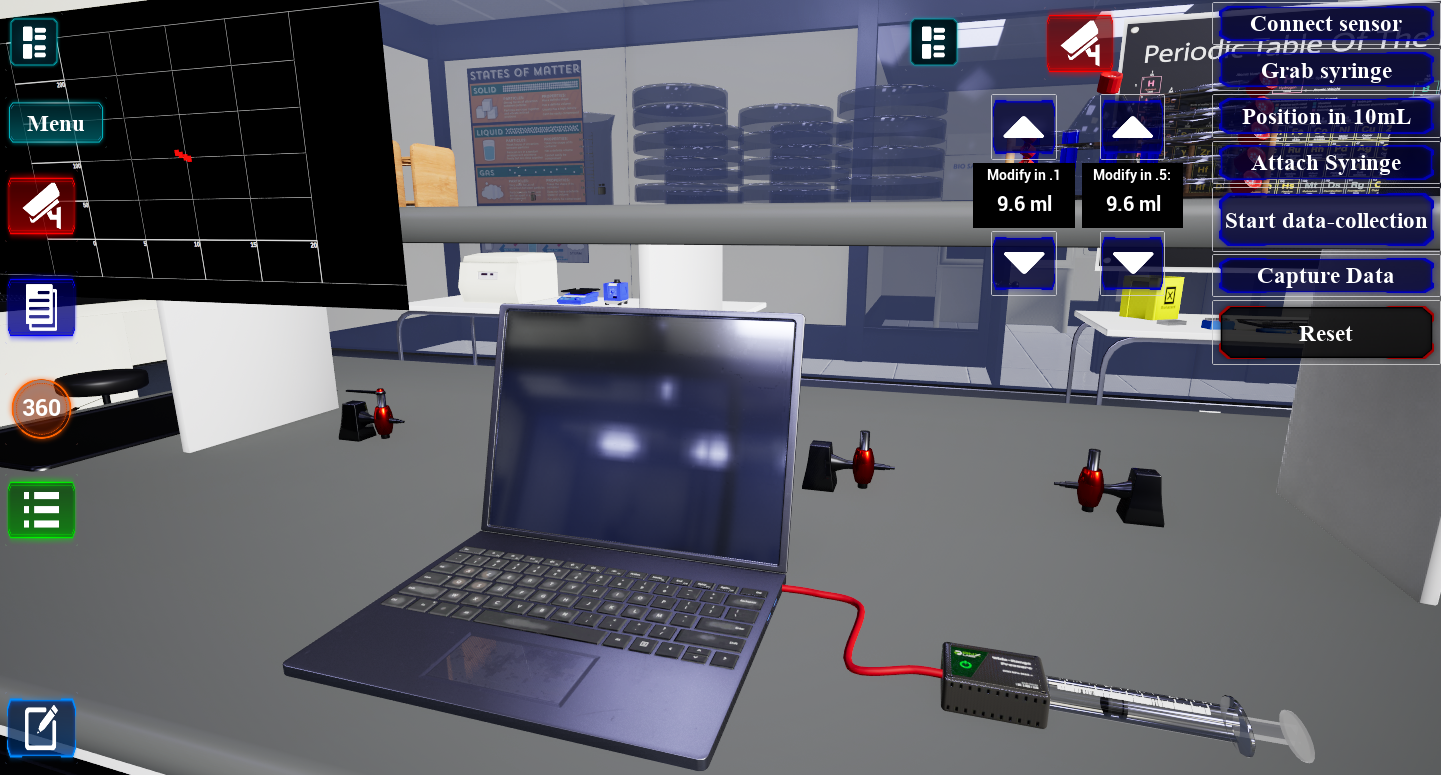
Real-time Data
Collect and analyze data just like in a physical laboratory
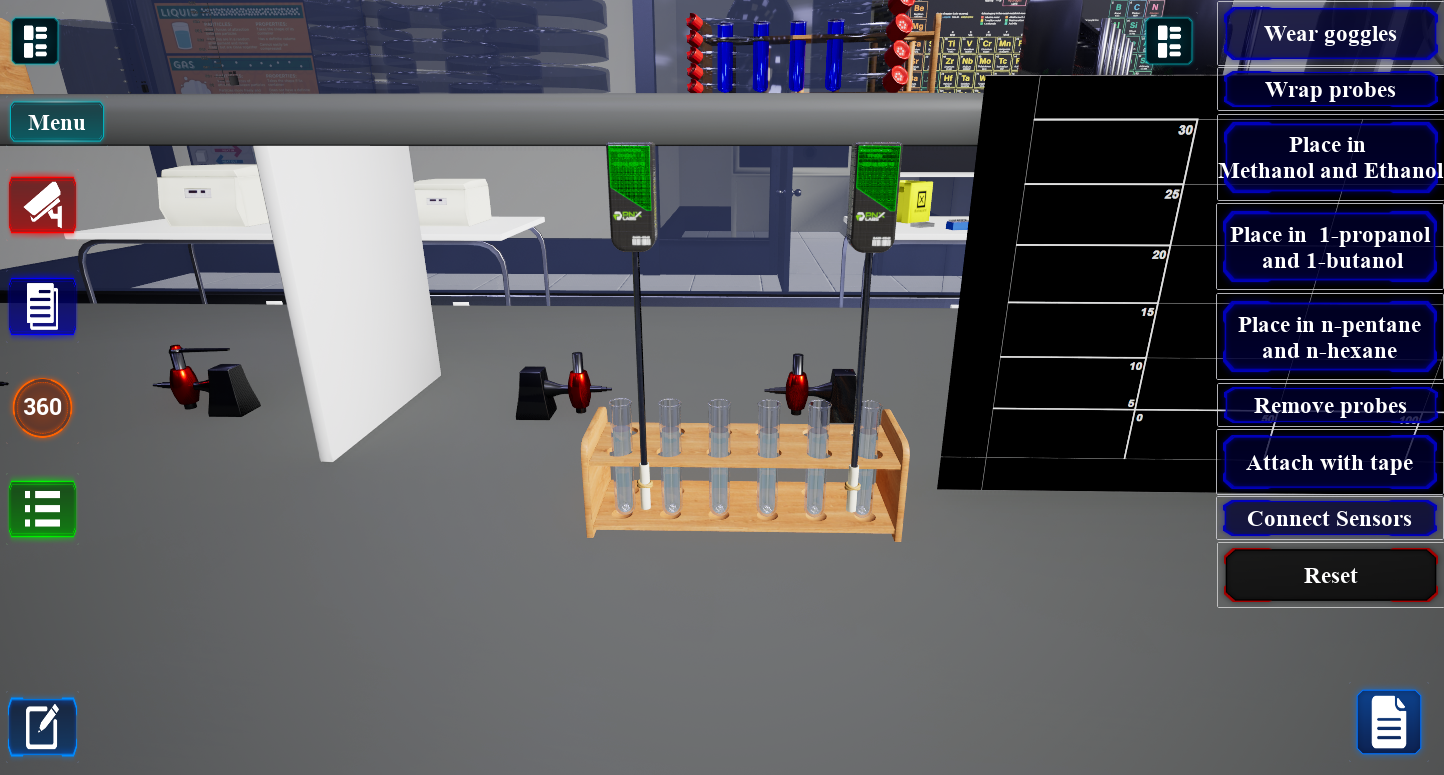
Unlimited Flexibility
Change variables to replicate scenarios that are impossible in a physical lab