Biology 12 Virtual Laboratories
Explore Life Sciences Through Interactive Experimentation
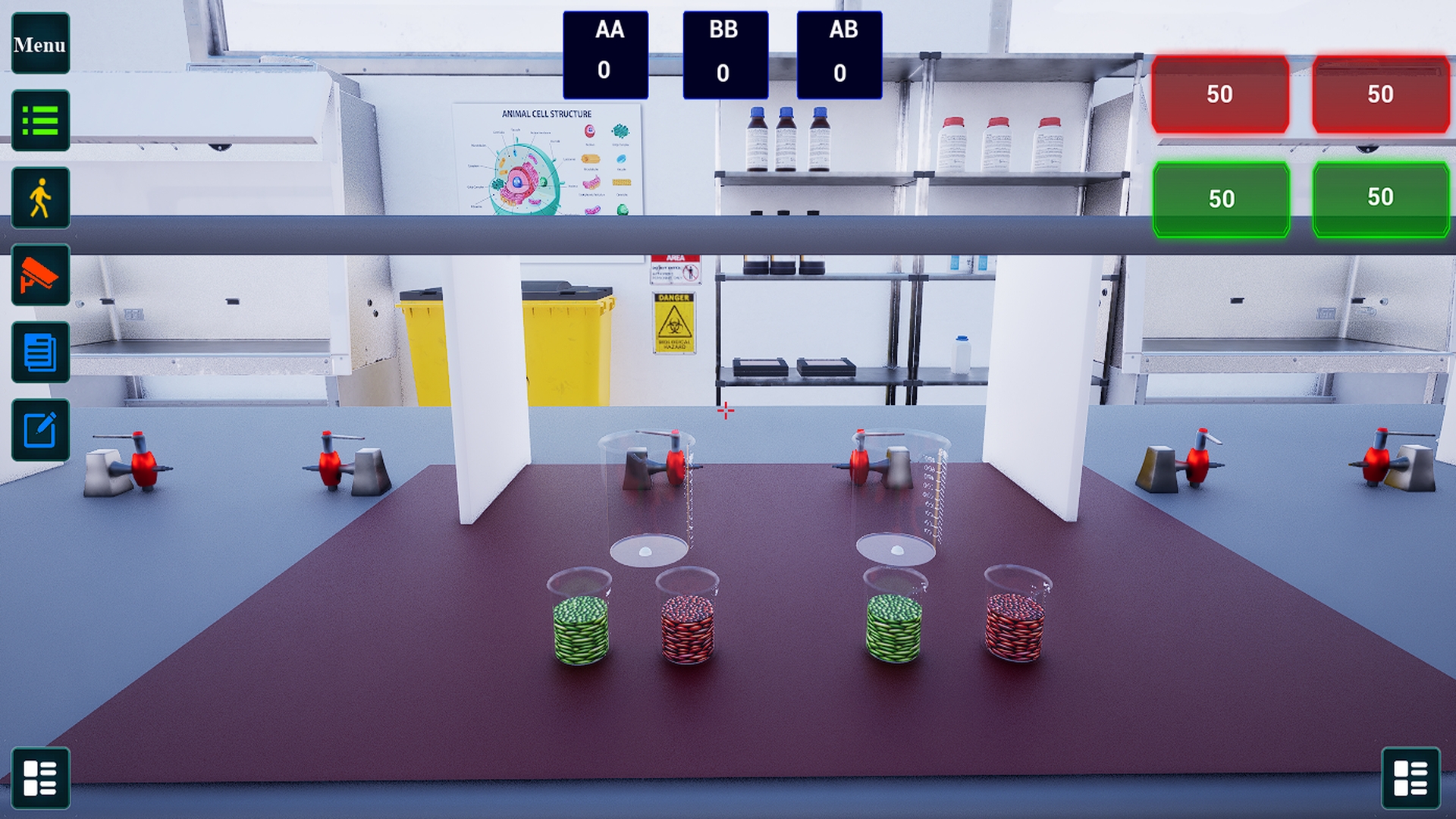
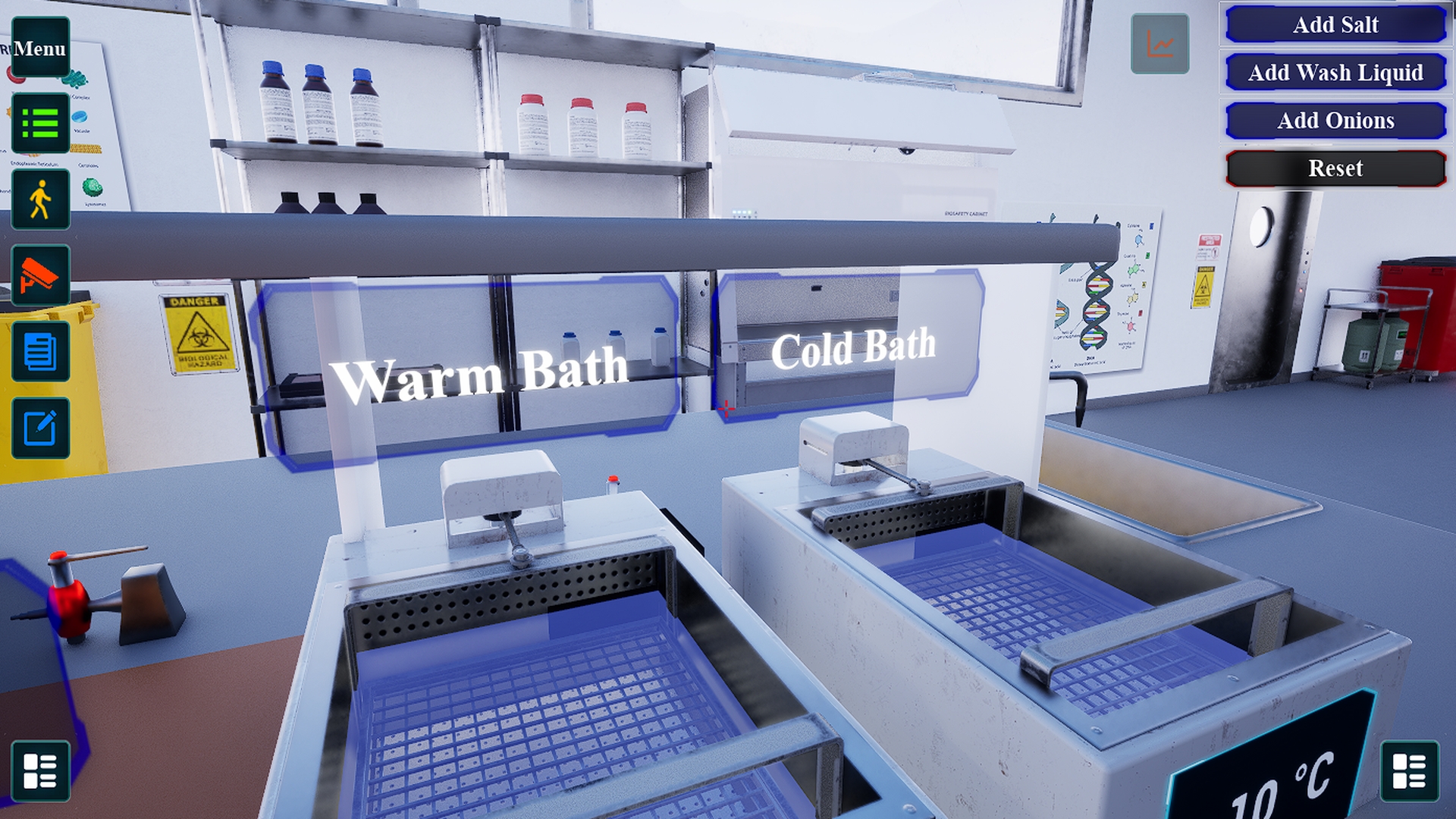
This Steam To Teach Biology 12 Virtual Labs package provides an immersive, curriculum-aligned practical learning experience designed to strengthen scientific understanding through inquiry-based experimentation. Students investigate concepts in genetics, cell biology, physiology, ecology, respiration, photosynthesis, and environmental sampling using interactive virtual experiments.
The package includes activities such as DNA extraction, meiosis observation, kidney structure and urine analysis, reflex responses, yeast respiration and fermentation, pigment separation, photosynthesis investigations, and ecosystem population studies. These virtual laboratories develop analytical thinking, data interpretation, and experimental skills while providing a safe, accessible, and cost-effective environment that supports deeper engagement with biological sciences and practical application of theoretical concepts.
Available Virtual Labs
Explore our comprehensive collection of Grade 12 Biology laboratory simulations
Biology Laboratories
Onion DNA Extraction
Extract DNA from onion cells and observe the visible genetic material in a virtual lab setting.
30-45 minutesStudy of the Stages of Meiosis in the Anther
Observe the stages of meiosis and identify key cellular changes during reproduction.
30-45 minutesModeling Allele Replication
Investigate how alleles are replicated and inherited through modeled genetic processes.
30-45 minutesThe Structure of the Kidney
Explore kidney anatomy and understand how its structure supports filtration and excretion.
30-45 minutesUrine Analysis
Analyze urine samples and identify indicators related to health and kidney function.
30-45 minutesUrine Analysis Part 2
Continue urine testing and interpret results using additional laboratory observations.
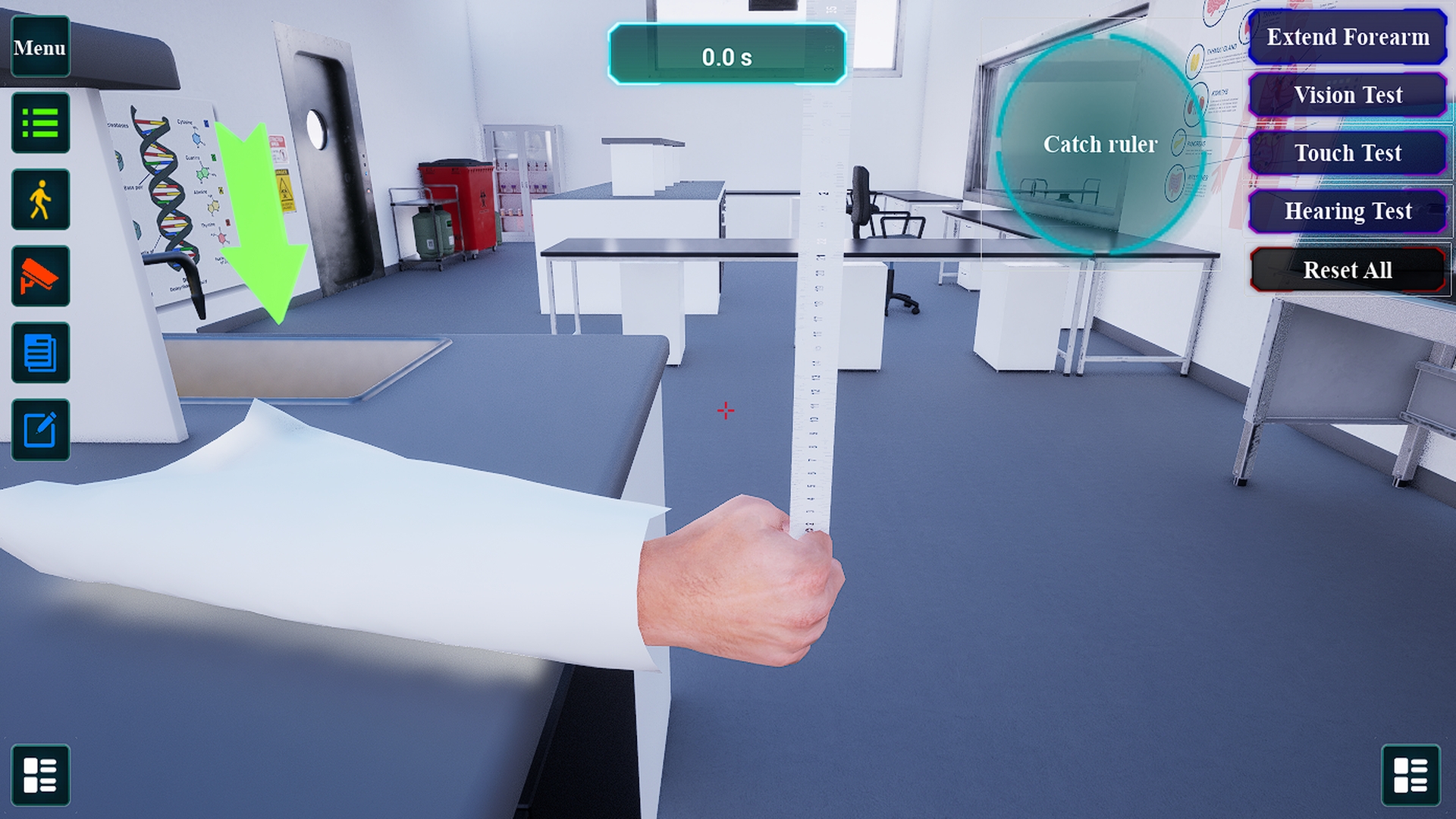
30-45 minutesReflex Response in Humans
Investigate human reflexes and understand how the nervous system controls quick responses.
30-45 minutesThe Effect of Light Wavelength on Phototropism in Wheat Seedlings
Explore how different wavelengths of light affect directional growth in wheat seedlings.
30-45 minutesThe Effect of Temperature on the Respiration Rate in Invertebrates
Measure how temperature influences respiration rate in invertebrate organisms.
30-45 minutesThe Effect of Glucose Concentration on the Rate of Yeast Respiration Using an Oxidation-Reduction Indicator
Investigate how glucose concentration affects yeast respiration using an oxidation-reduction indicator.
30-45 minutesThe Ability of Yeast Cells to Use Different Sugars During Fermentation
Compare how yeast cells ferment various sugars and observe differences in fermentation activity.
30-45 minutesSeparation and Identification of Photosynthetic Pigments Using Paper Chromatography
Separate plant pigments and identify them using paper chromatography techniques.
30-45 minutesThe Effect of Light Intensity on the Rate of Photosynthesis
Examine how changes in light intensity affect the rate of photosynthesis in plants.
30-45 minutesGas Exchange in an Aquatic Plant
Study gas exchange processes in aquatic plants under different environmental conditions.
30-45 minutesThe Effect of Light Wavelength on Light-Dependent Reactions (Hill Reaction)
Investigate how light wavelength affects the Hill reaction and photosynthetic electron transfer.
30-45 minutesThe Effect of Carbon Dioxide Concentration on the Rate of Photosynthesis
Analyze how carbon dioxide concentration influences the rate of photosynthesis.
30-45 minutesUsing Quadrat Frames to Assess the Abundance of Organisms
Use quadrat sampling to estimate the abundance of organisms in a habitat.
30-45 minutesUsing Quadrat Frames to Compare Biodiversity in Two Ecosystems
Compare biodiversity levels between two ecosystems using quadrat sampling methods.
30-45 minutesUsing Transects to Study the Distribution and Abundance of a Species
Investigate species distribution and abundance along an environmental gradient using transects.
30-45 minutesEstimation of the Population Size of a Small, Mobile Invertebrate Animal
Estimate population size using sampling techniques for small, mobile invertebrate animals.
30-45 minutes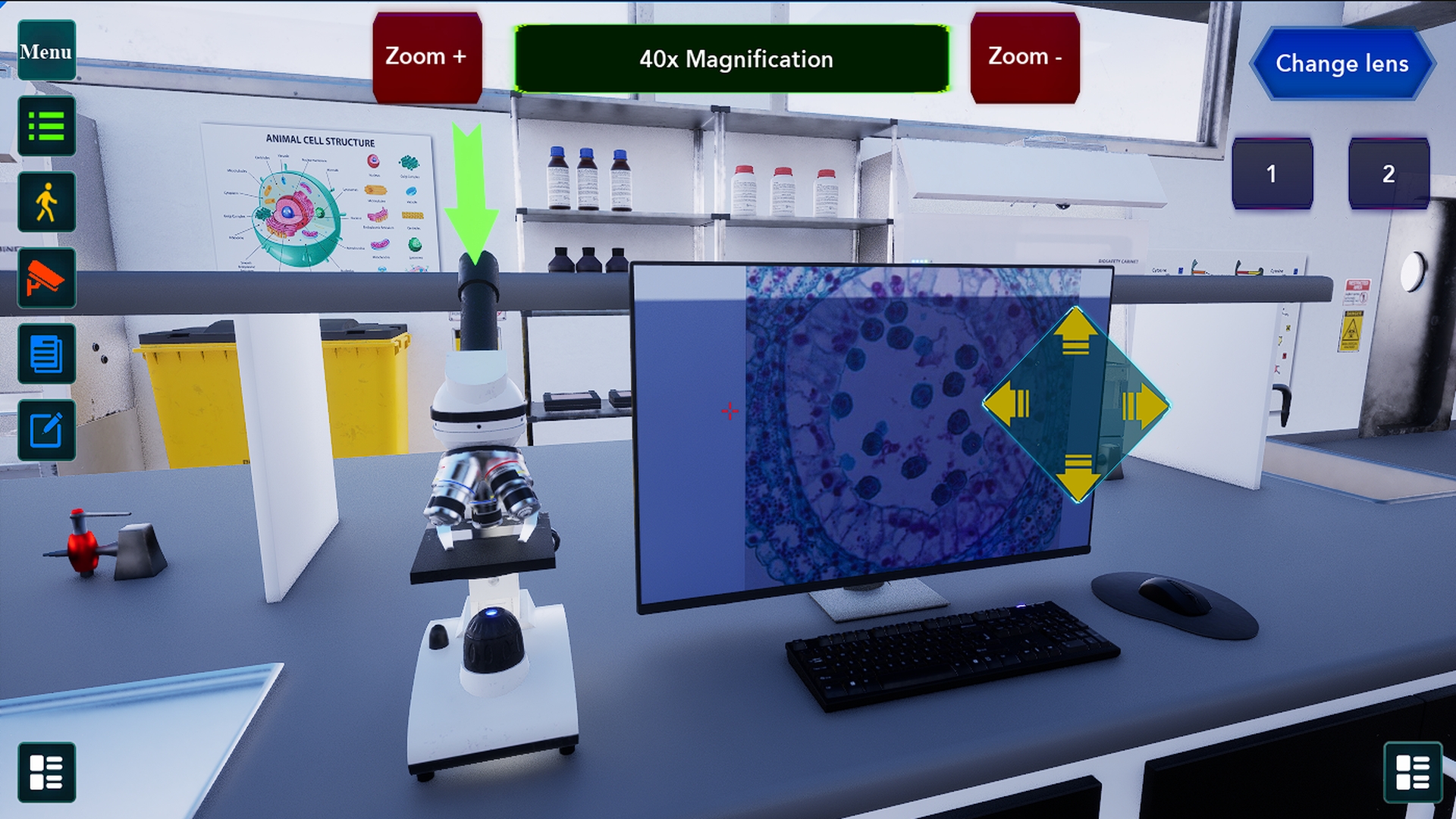
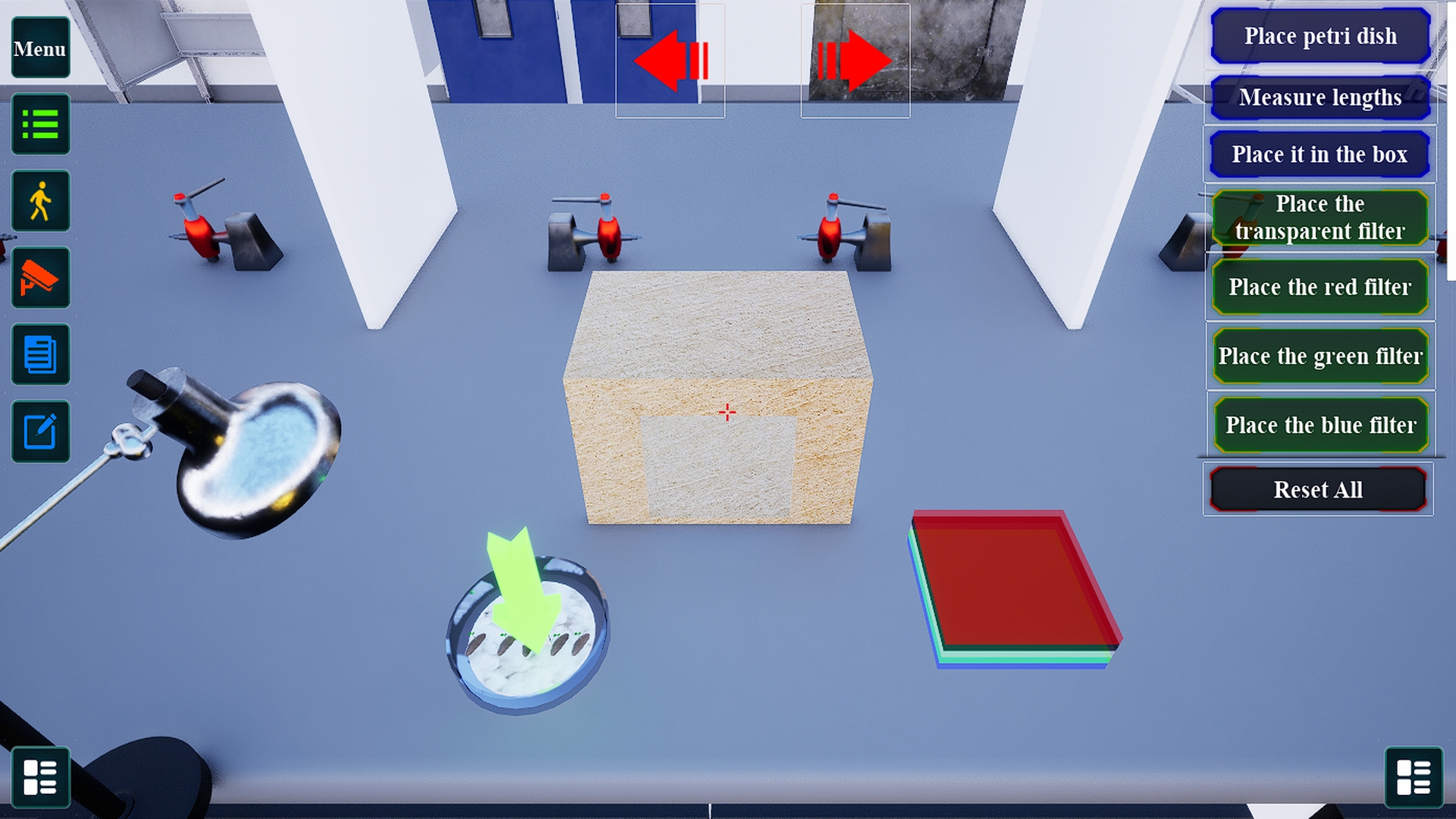
Interactive Learning
Students engage with realistic lab equipment and procedures
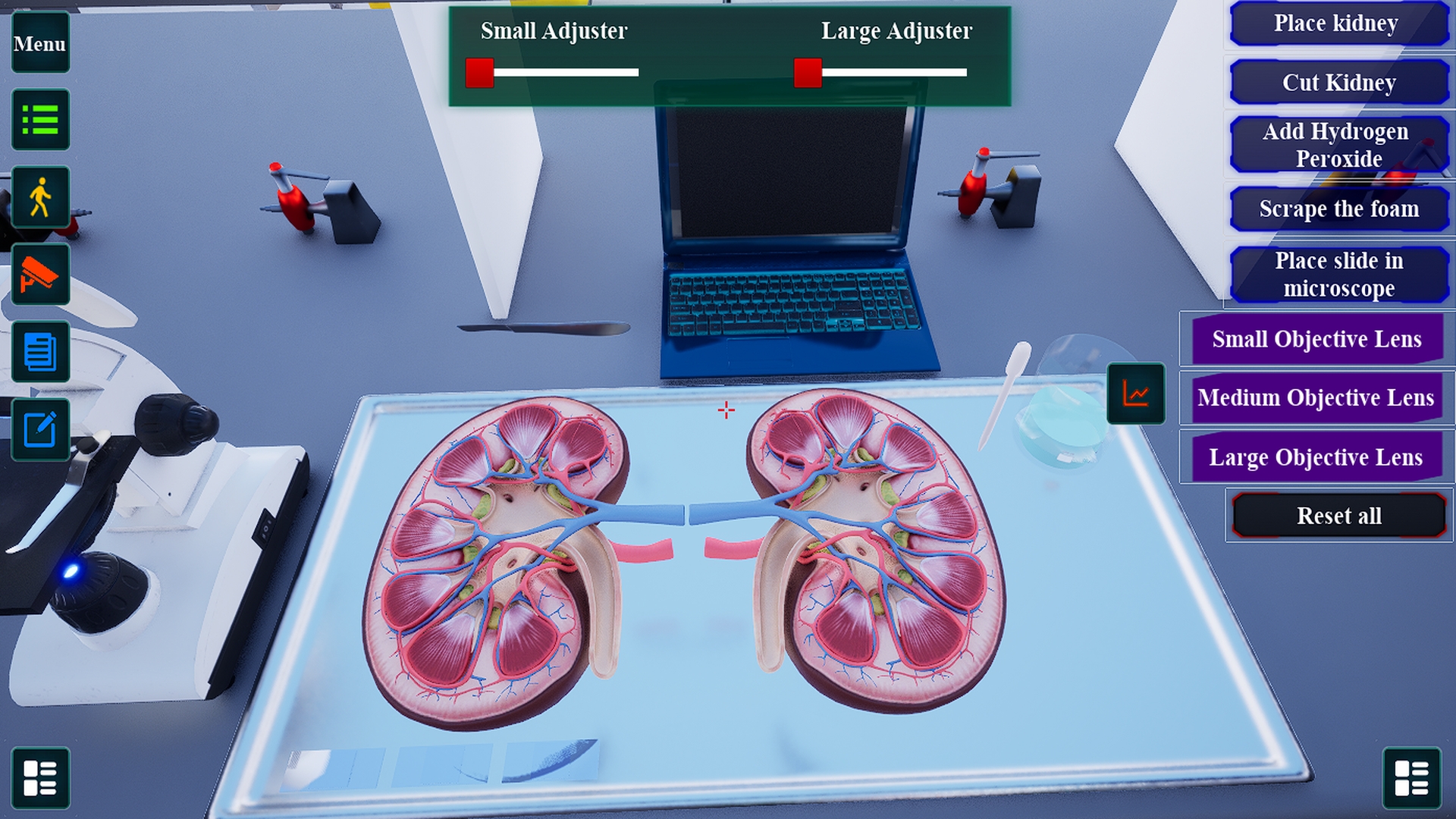
Real-time Data
Collect and analyze data just like in a physical laboratory
Unlimited Flexibility
Change variables to replicate scenarios that are impossible in a physical lab