Chemistry 103 Virtual Laboratories
Organic Chemistry
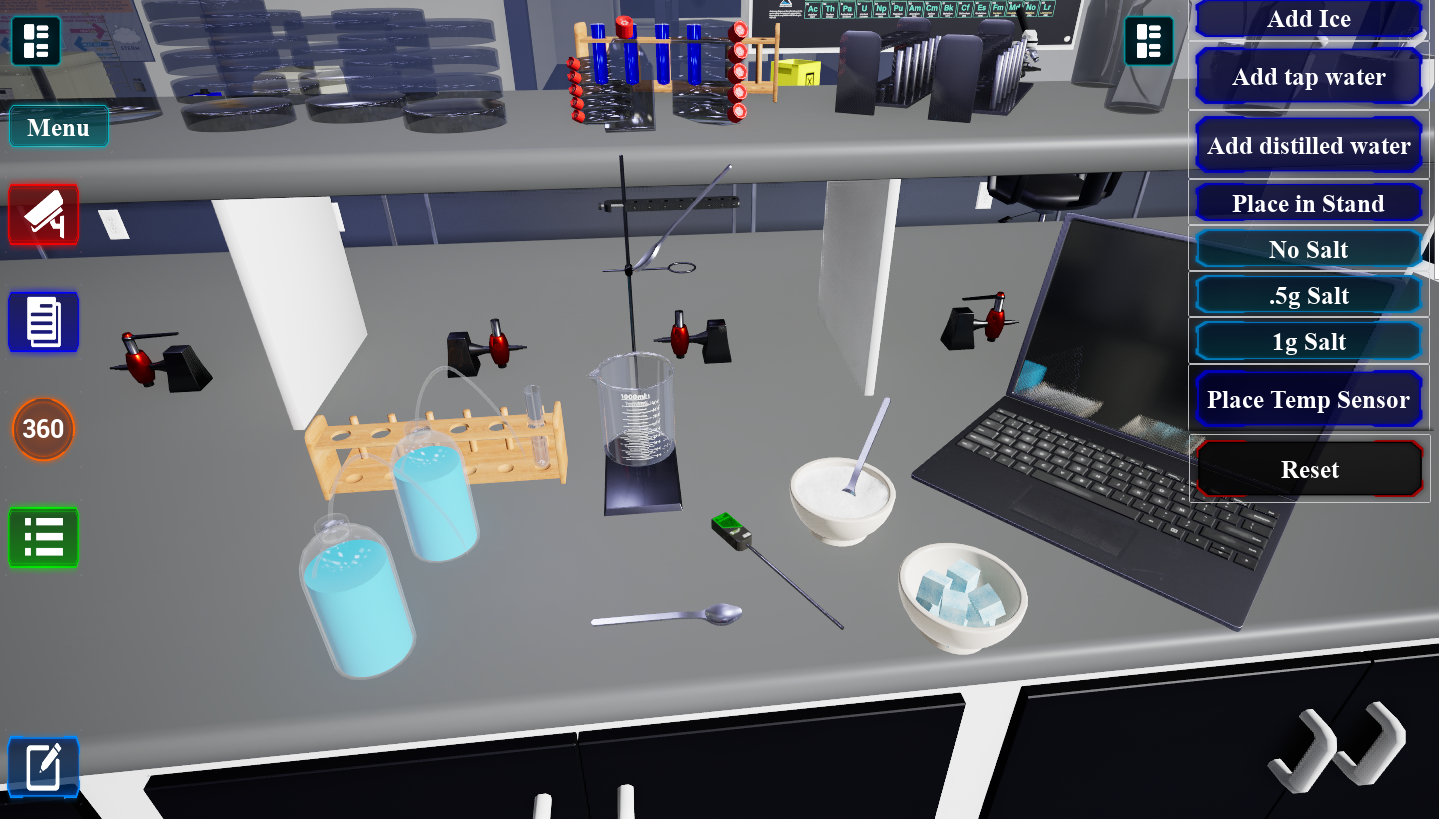
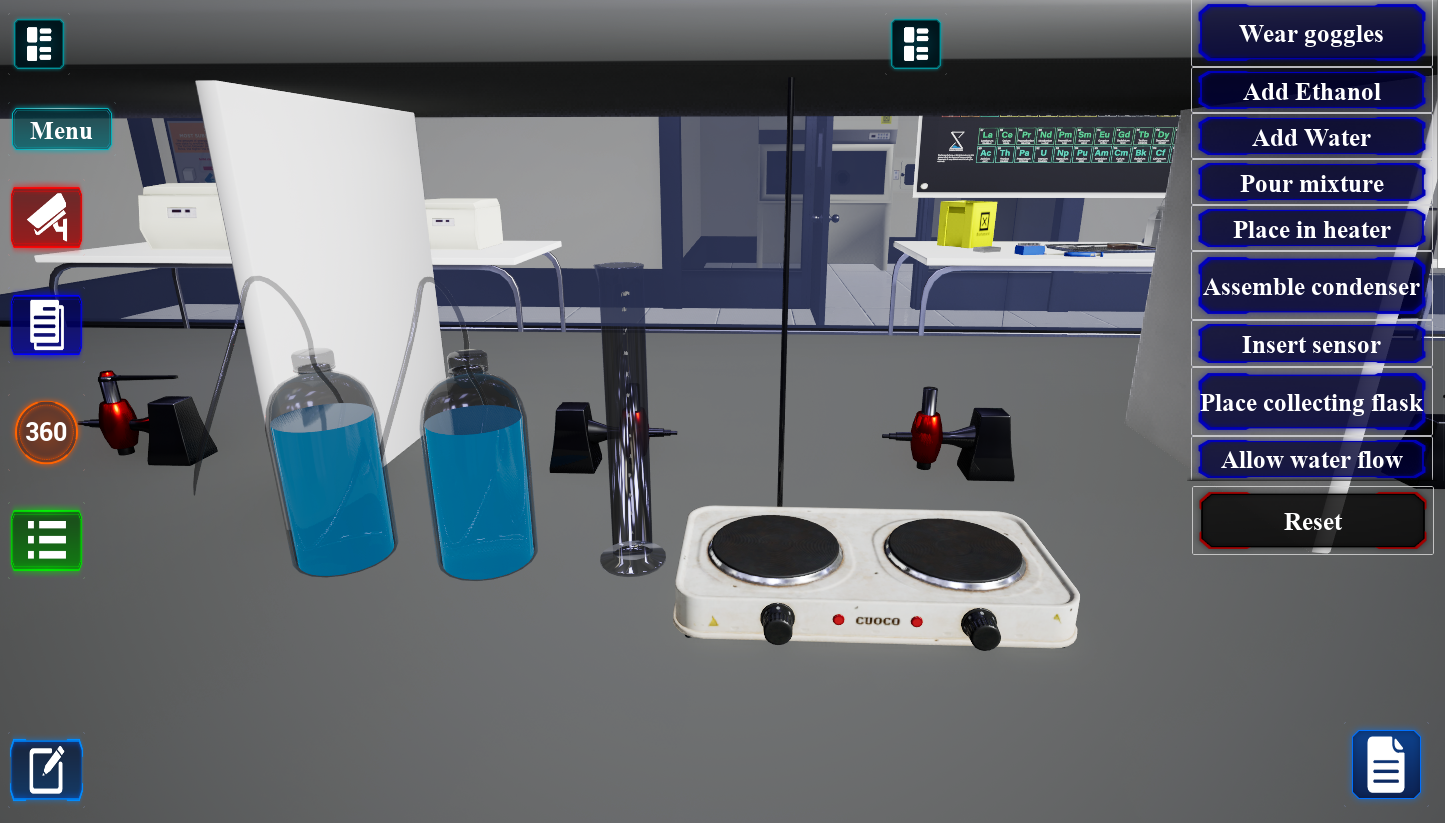
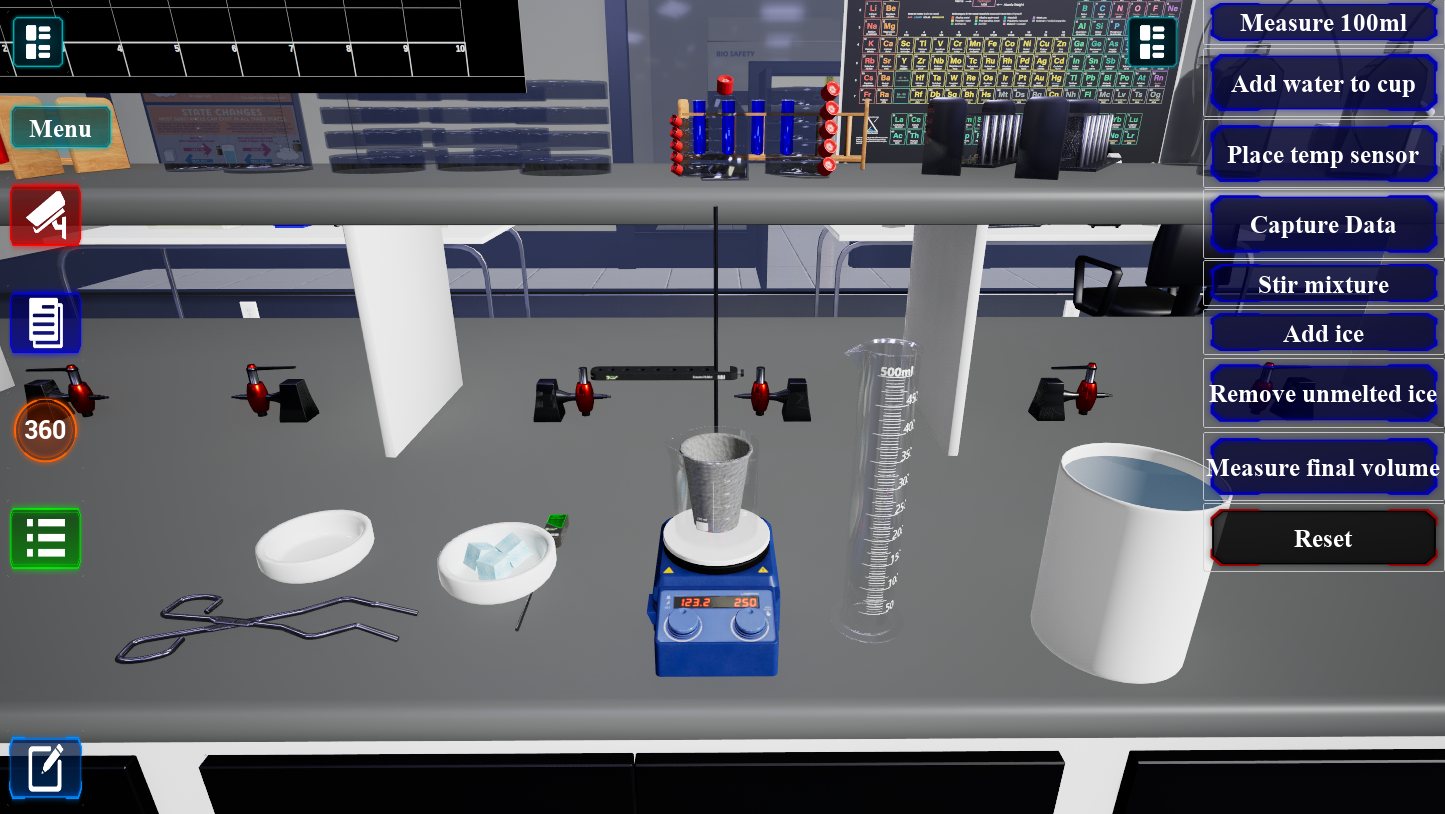
Our virtual laboratories provide students with immersive, hands-on science experiences without the limitations of physical lab spaces. Access cutting-edge experiments and simulations 24/7 from any device.
Each virtual lab is designed by experienced educators and scientists to align with curriculum standards while providing interactive learning opportunities that engage students in authentic scientific inquiry.
Available Virtual Labs
Explore our comprehensive collection of STEM laboratory simulations
Organic Chemistry Laboratories
Melting Point Determination of Organic Solids
Measure melting points to assess purity and identify organic compounds.
30-45 minutesPurification of Organic Compounds by Recrystallization
Purify organic solids by dissolving in hot solvent and allowing slow crystallization.
30-45 minutesBoiling Point Determination of Organic Liquids
Measure boiling points to characterize liquids and assess purity.
30-45 minutesIdentification of an Unknown Analgesic Using Multiple Techniques
Use melting point, TLC, and chemical tests to identify over-the-counter pain relievers.
30-45 minutesSeparation of Organic Mixtures by Acid–Base Extraction
Separate mixtures using differences in acid-base properties and solubility.
30-45 minutesPrinciples and Applications of Polarimetry
Learn to measure optical rotation and determine specific rotation of chiral compounds.
30-45 minutesIdentification of Chiral Compounds by Polarimetric Analysis
Use optical rotation measurements to identify unknown chiral organic compounds.
30-45 minutesFundamentals of Gas Chromatographic Analysis
Learn principles and applications of GC for separating and analyzing volatile mixtures.
30-45 minutesSeparation of Ester Mixtures by Fractional Distillation
Separate ester mixtures based on boiling point differences using fractional distillation.
30-45 minutesIntermolecular Forces and Enthalpy of Vaporization by GC
Use GC retention times to study intermolecular forces and calculate ΔHvap.
30-45 minutesThermodynamic Effects of Substituents in Hydrocarbons
Study how substituents affect boiling points and other physical properties.
30-45 minutesExtraction and Spectroscopic Analysis of Plant Pigments
Separate plant pigments and analyze their UV-Vis spectra to identify chlorophylls and carotenoids.
30-45 minutesSN1 Synthesis of tert‑Butyl Chloride
Prepare tert-butyl chloride via SN1 mechanism and study carbocation stability.
30-45 minutesSN2 Synthesis of 1‑Bromobutane
Prepare 1-bromobutane via SN2 mechanism and study nucleophilic substitution kinetics.
30-45 minutesKinetic Study of Sucrose Hydrolysis by Polarimetry
Monitor sucrose hydrolysis by measuring changes in optical rotation over time.
30-45 minutesOrganic Synthesis and Characterization of Aspirin
Prepare acetylsalicylic acid and assess purity through melting point and IR spectroscopy.
30-45 minutesIsolation of Limonene by Steam Distillation
Extract and isolate the natural terpene limonene from citrus peels.
30-45 minutesPreparation of Ethyl Acetate via Fischer Esterification
Prepare ethyl acetate via acid-catalyzed reaction of acetic acid with ethanol.
30-45 minutesSynthesis of Dibenzalacetone through Aldol Condensation
Prepare a conjugated enone through base-catalyzed aldol condensation reaction.
30-45 minutesDiels–Alder Cycloaddition of Anthracene and Maleic Anhydride
Perform a cycloaddition reaction to form a bridged polycyclic compound.
30-45 minutesFriedel–Crafts Acylation Reaction of Ferrocene
Introduce an acyl group to ferrocene using aluminum chloride catalysis.
30-45 minutesSynthesis of Crystal Violet via Grignard Reaction
Synthesize the triphenylmethane dye crystal violet using Grignard reagents.
30-45 minutesPreparation of the Fluorescent Dye Fluorescein
Prepare the fluorescent dye fluorescein through condensation of resorcinol and phthalic anhydride.
30-45 minutesSynthesis and Textile Application of Methyl Orange
Prepare the azo dye methyl orange and test its dyeing properties on fabric.
30-45 minutesChemical Analysis of Natural Product Extracts
Extract and characterize bioactive compounds from natural sources.
30-45 minutesIdentification of Unknown Compounds by Gas Chromatography
Use GC retention times and comparison with standards to identify unknown volatile compounds.
30-45 minutes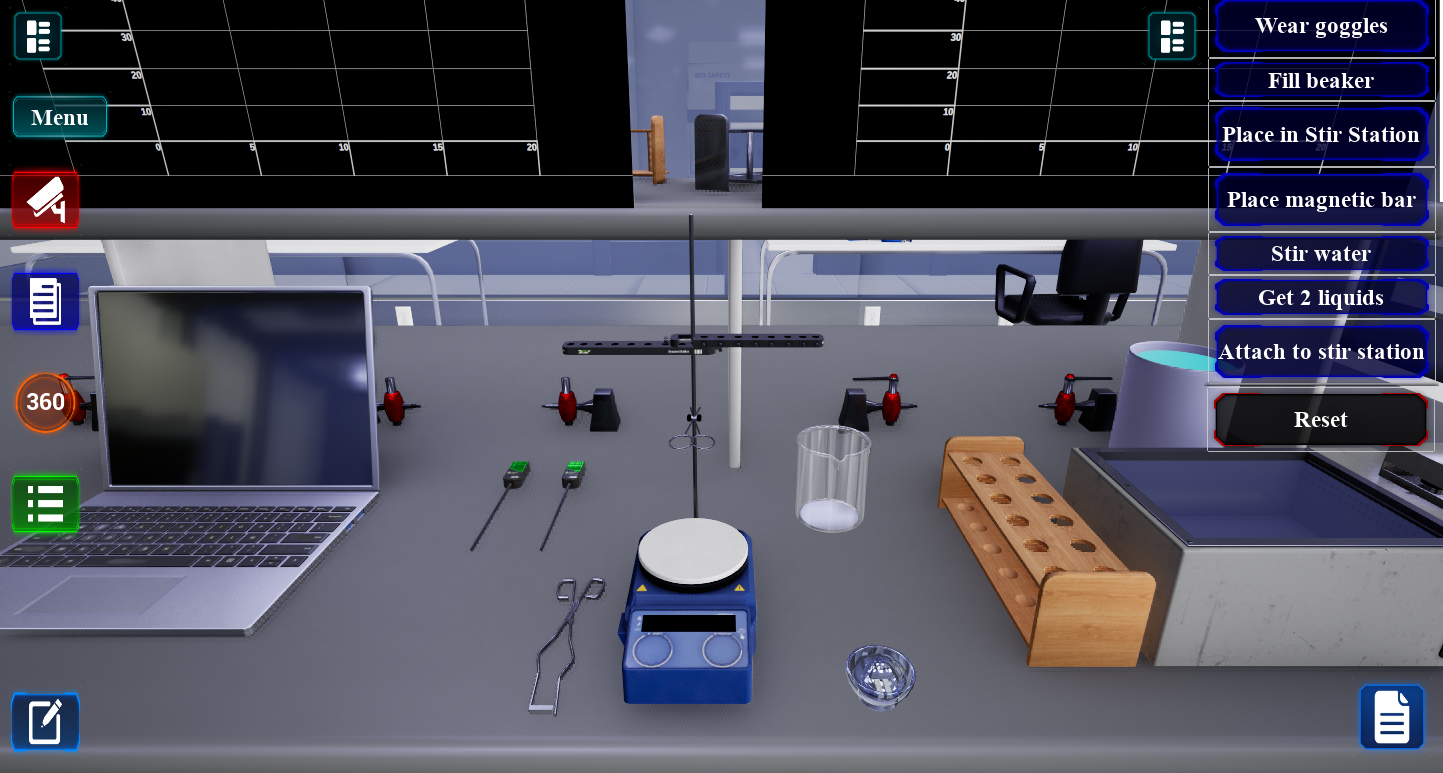
Interactive Learning
Students engage with realistic lab equipment and procedures
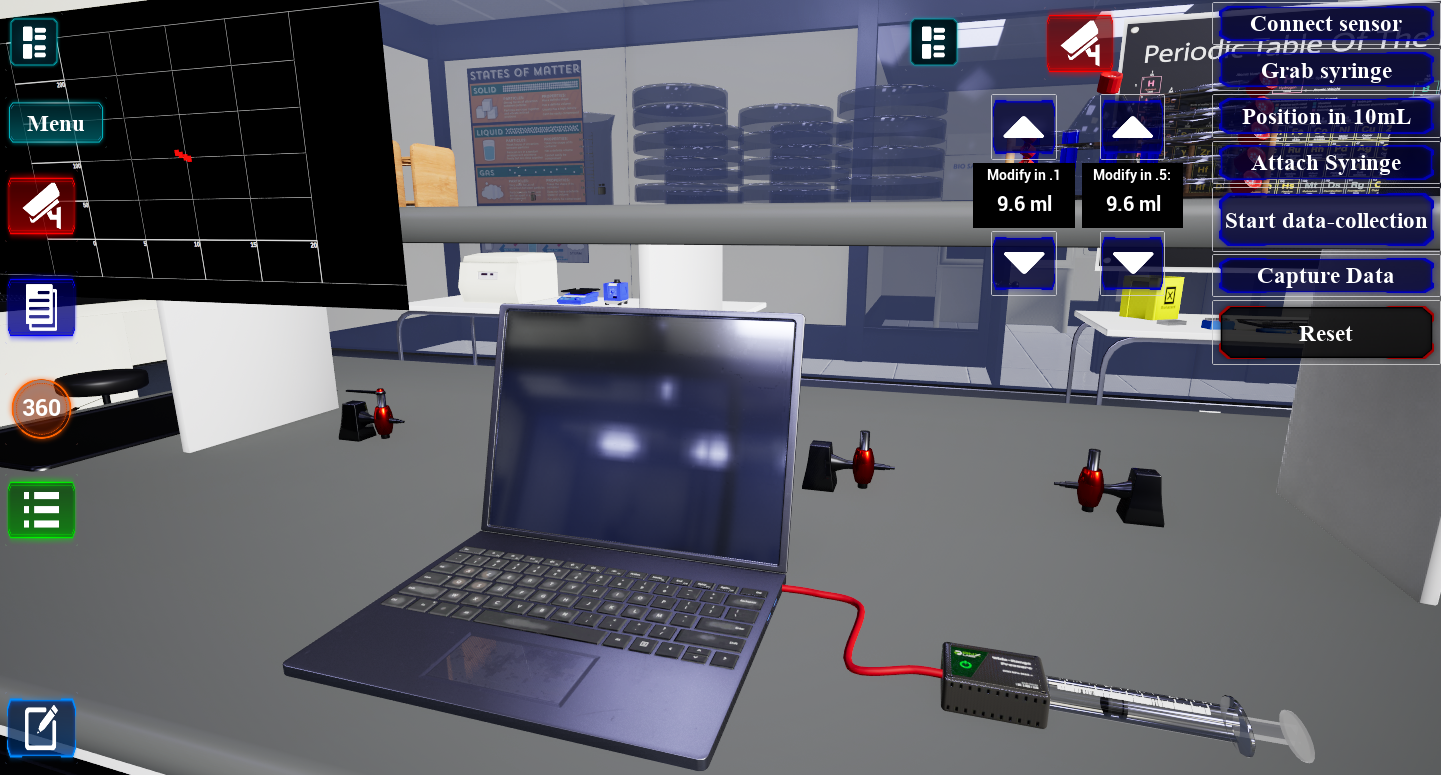
Real-time Data
Collect and analyze data just like in a physical laboratory
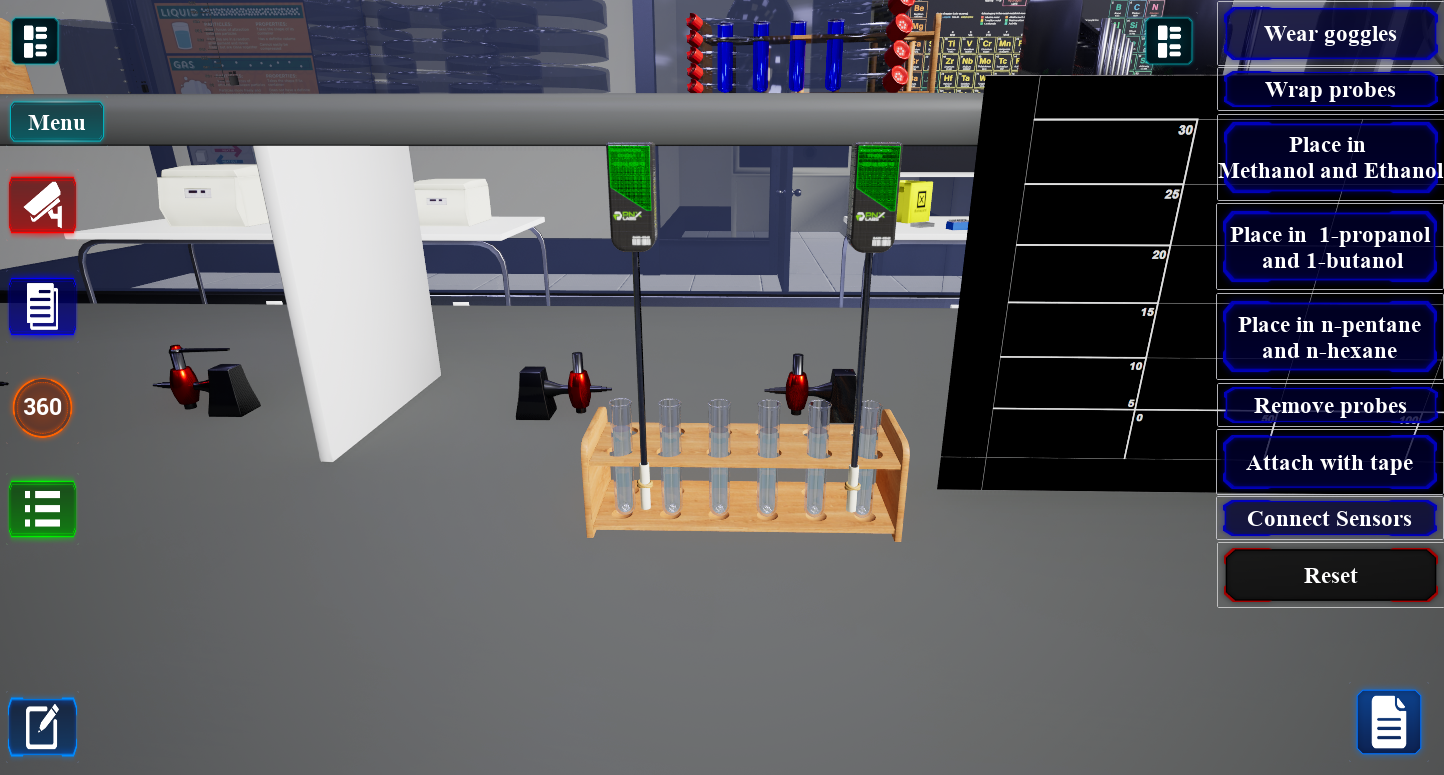
Unlimited Flexibility
Change variables to replicate scenarios that are impossible in a physical lab